Airports
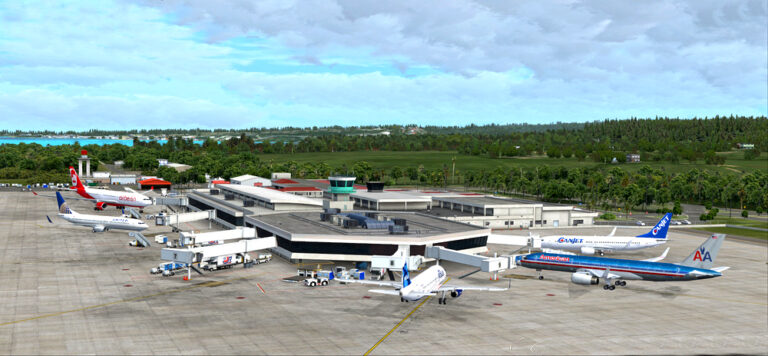
Dominican Republic airports are the gateway to the beautiful regions of this tropical island, and the size and variety fits every traveler need, be it a large international airport for major airlines, an executive smaller one for private jets or a small landing strip style one for light and recreational aircraft. The island`s North, South and East regions are all well represented by the local Civil Aviation institute (IDAC), which follows international certifications when providing training and guidelines for aviation in the Dominican Republic.
Emergencies
Puerto Plata 911
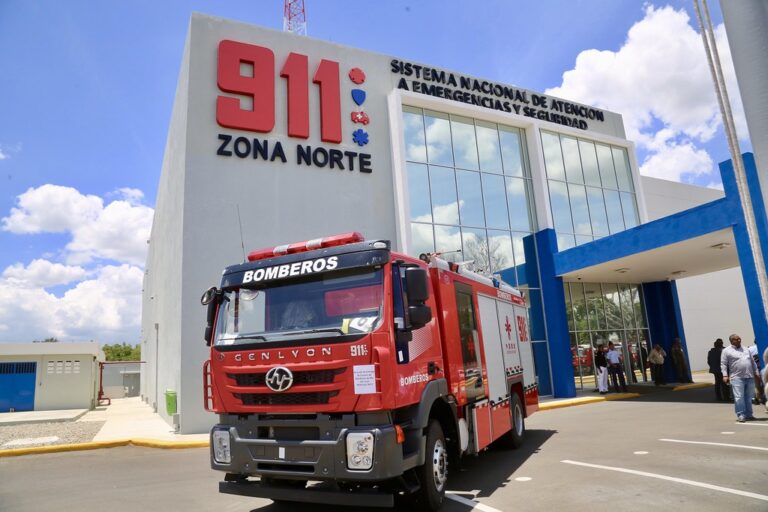
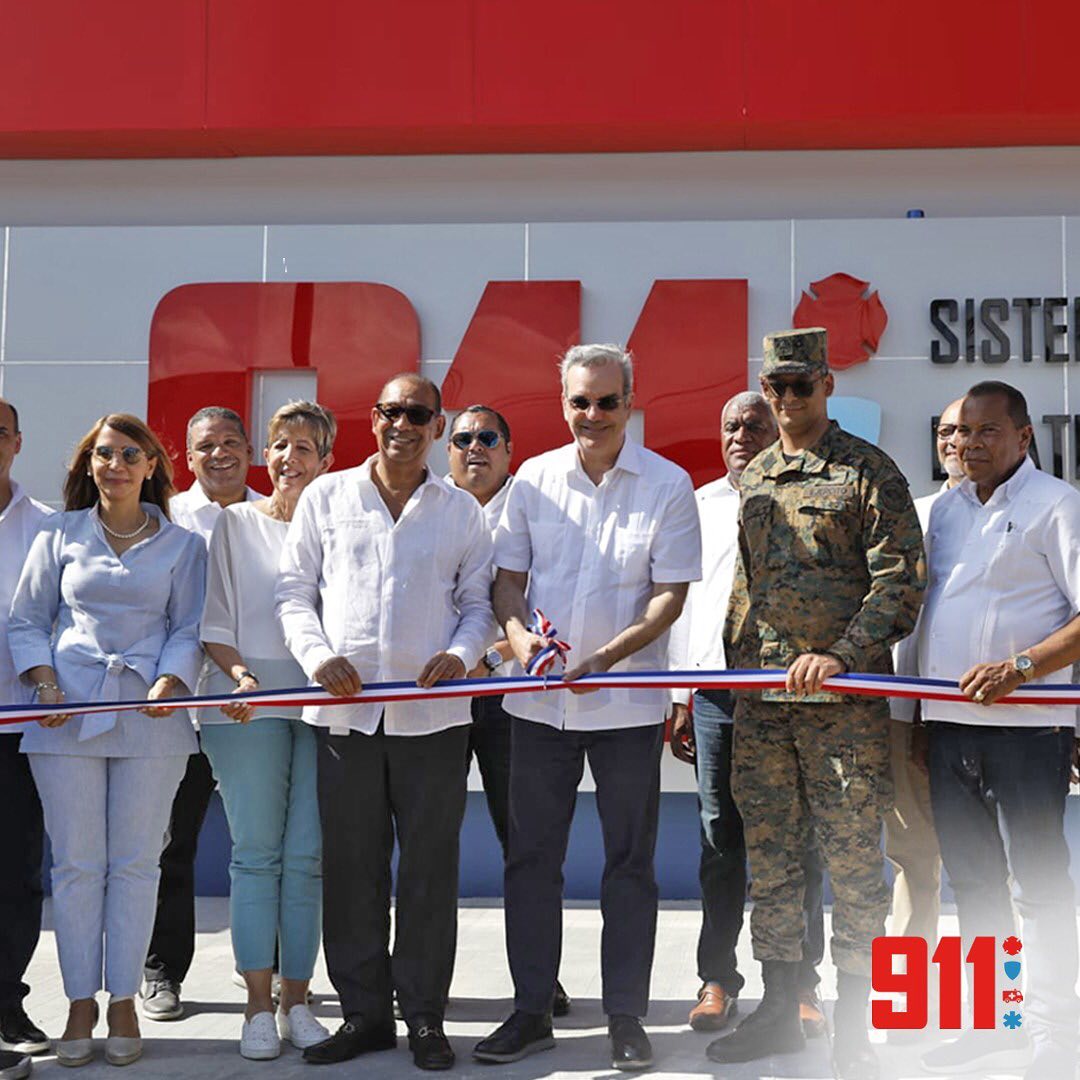
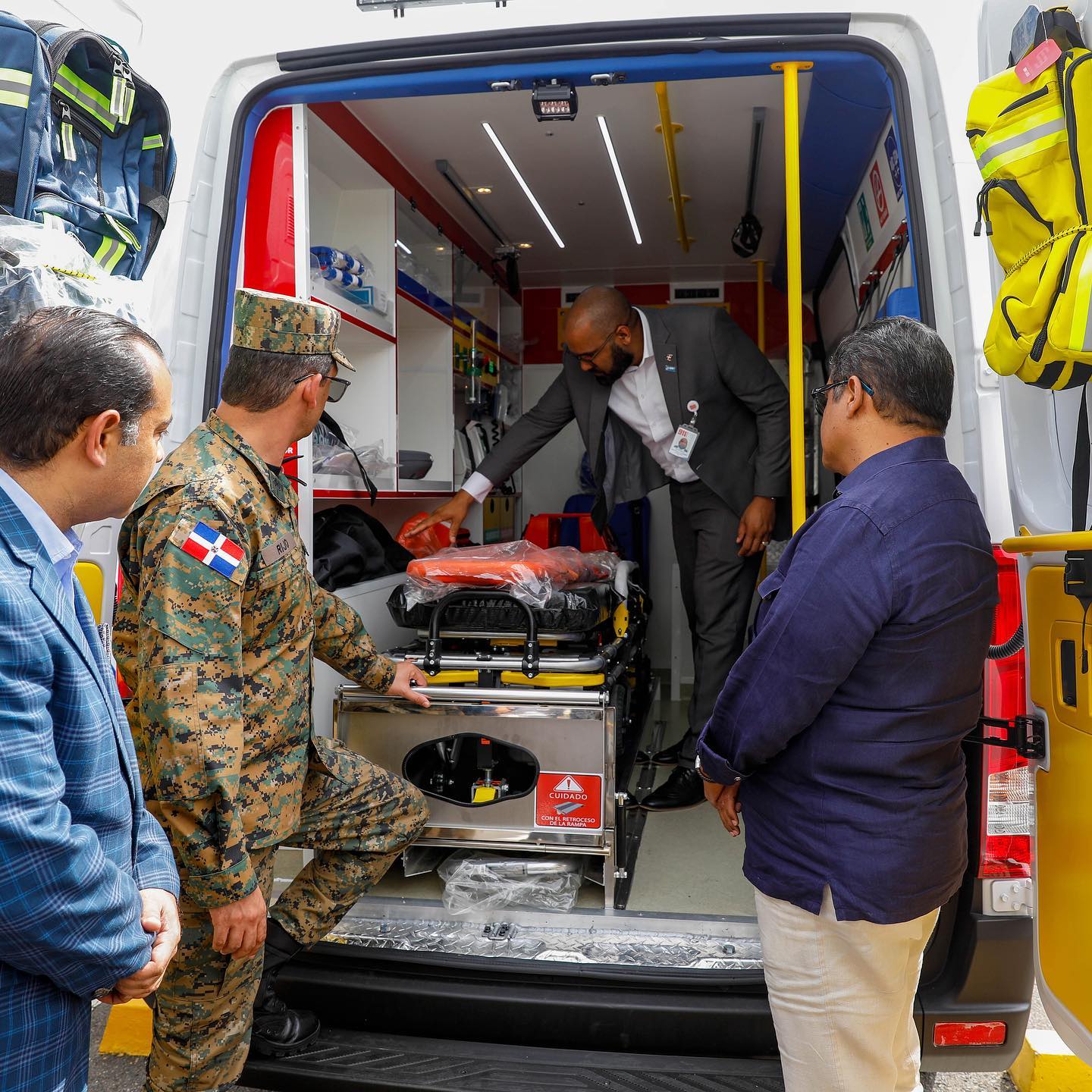
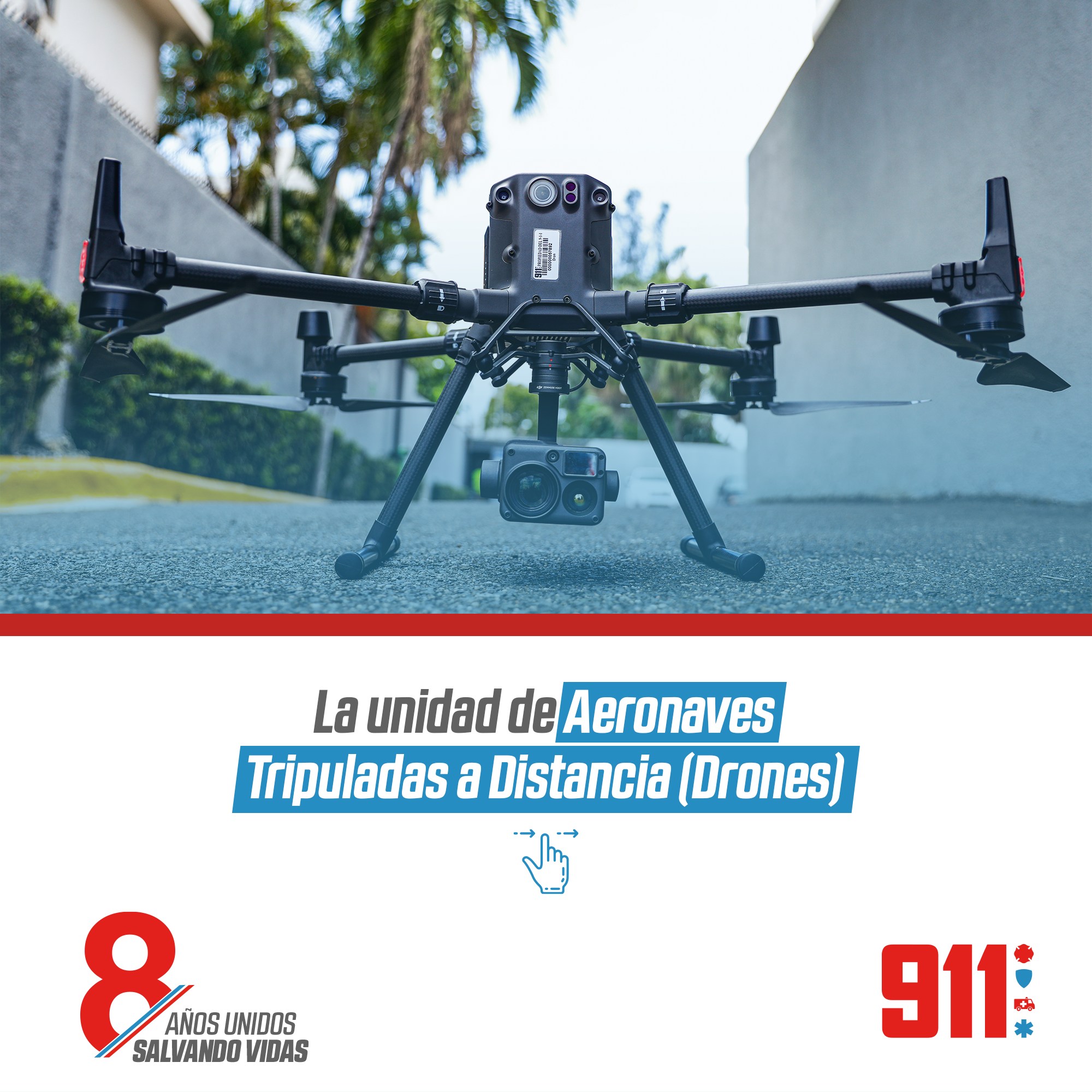
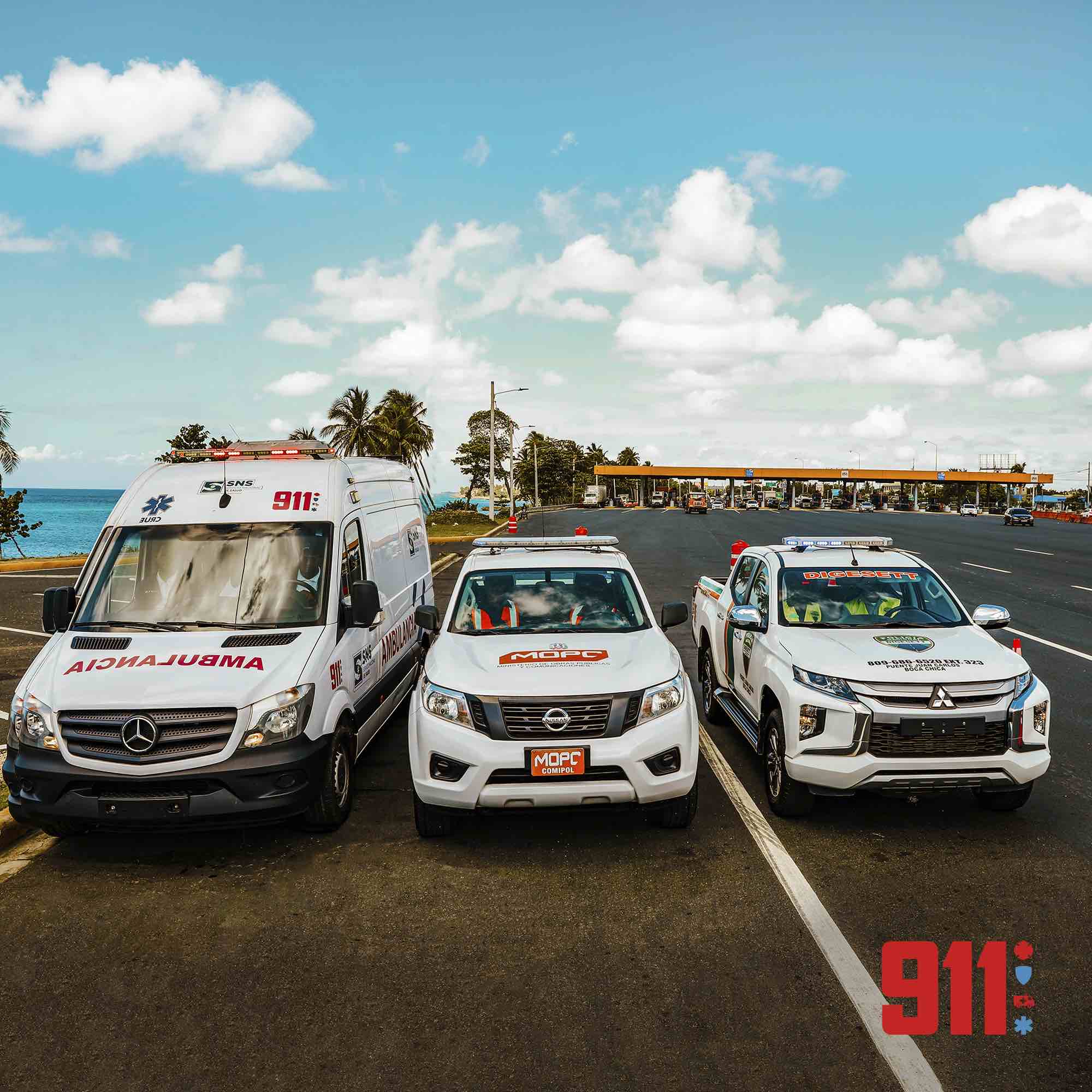
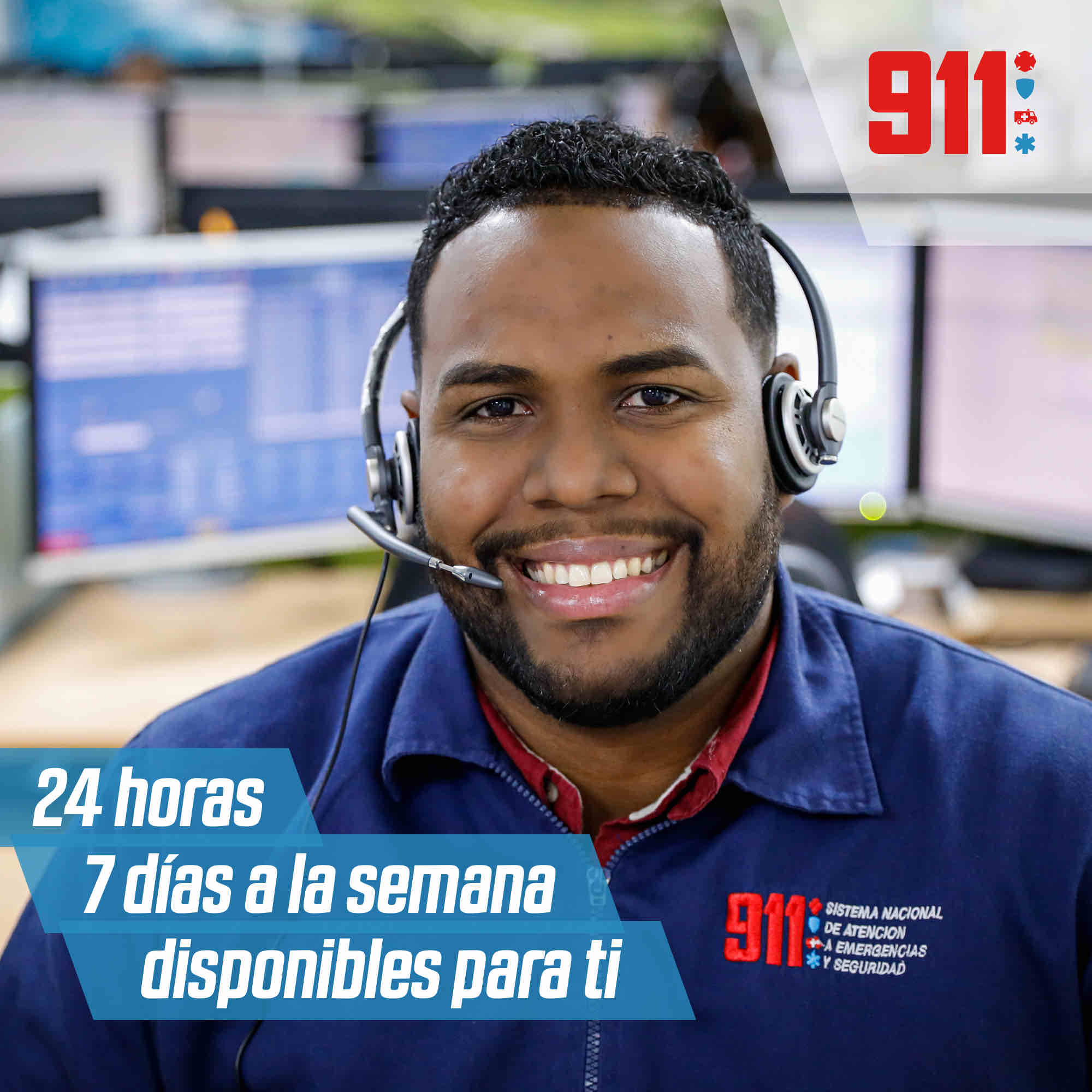
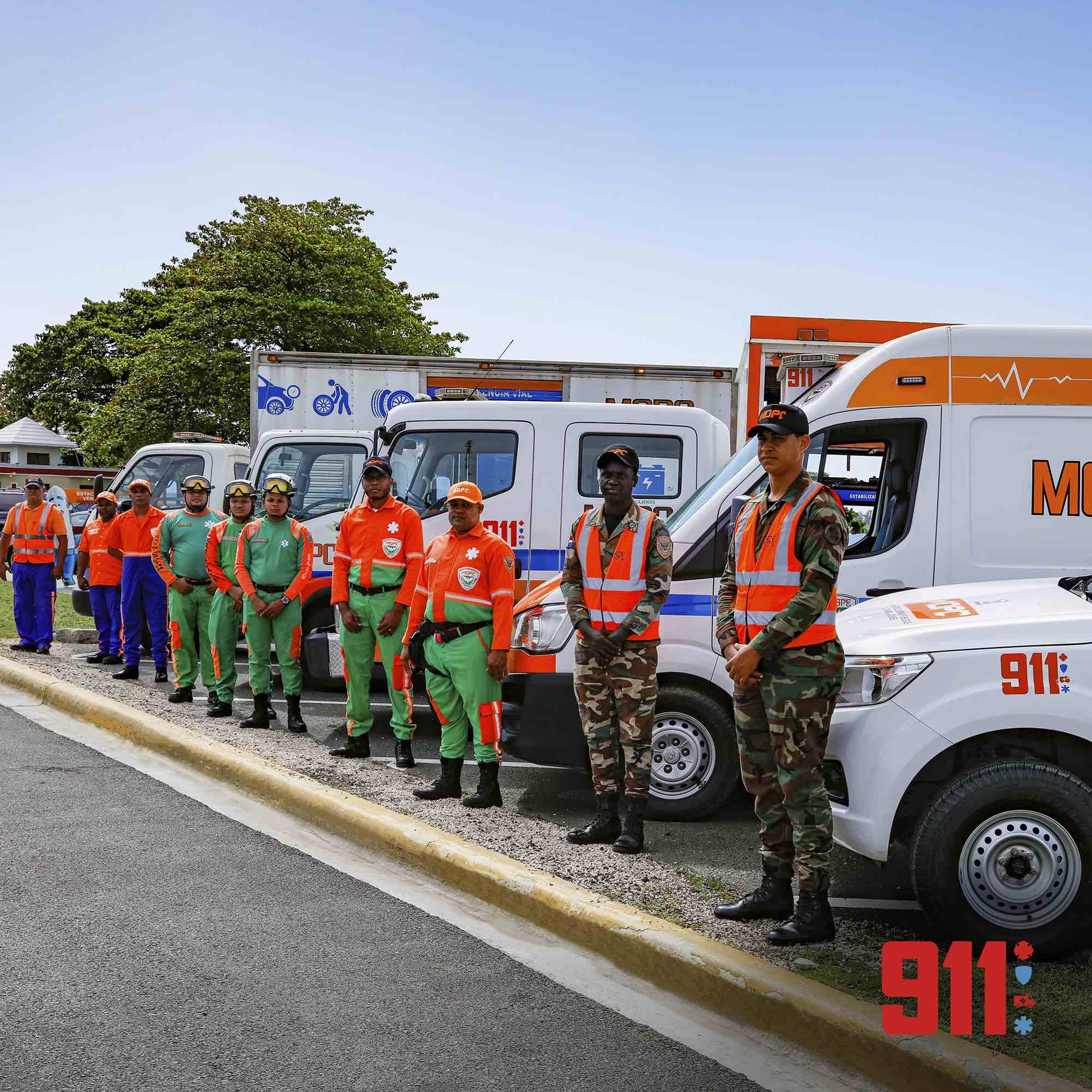
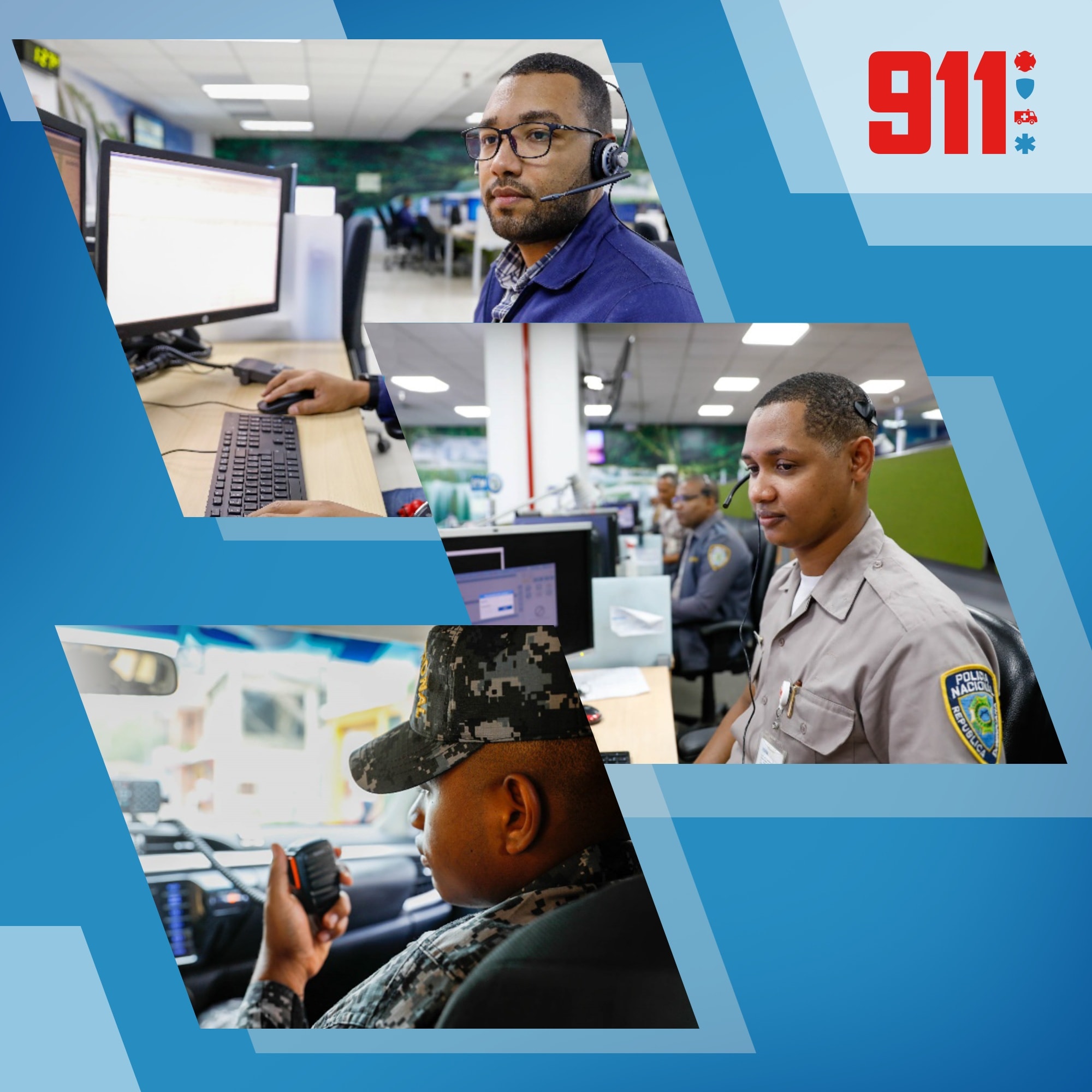
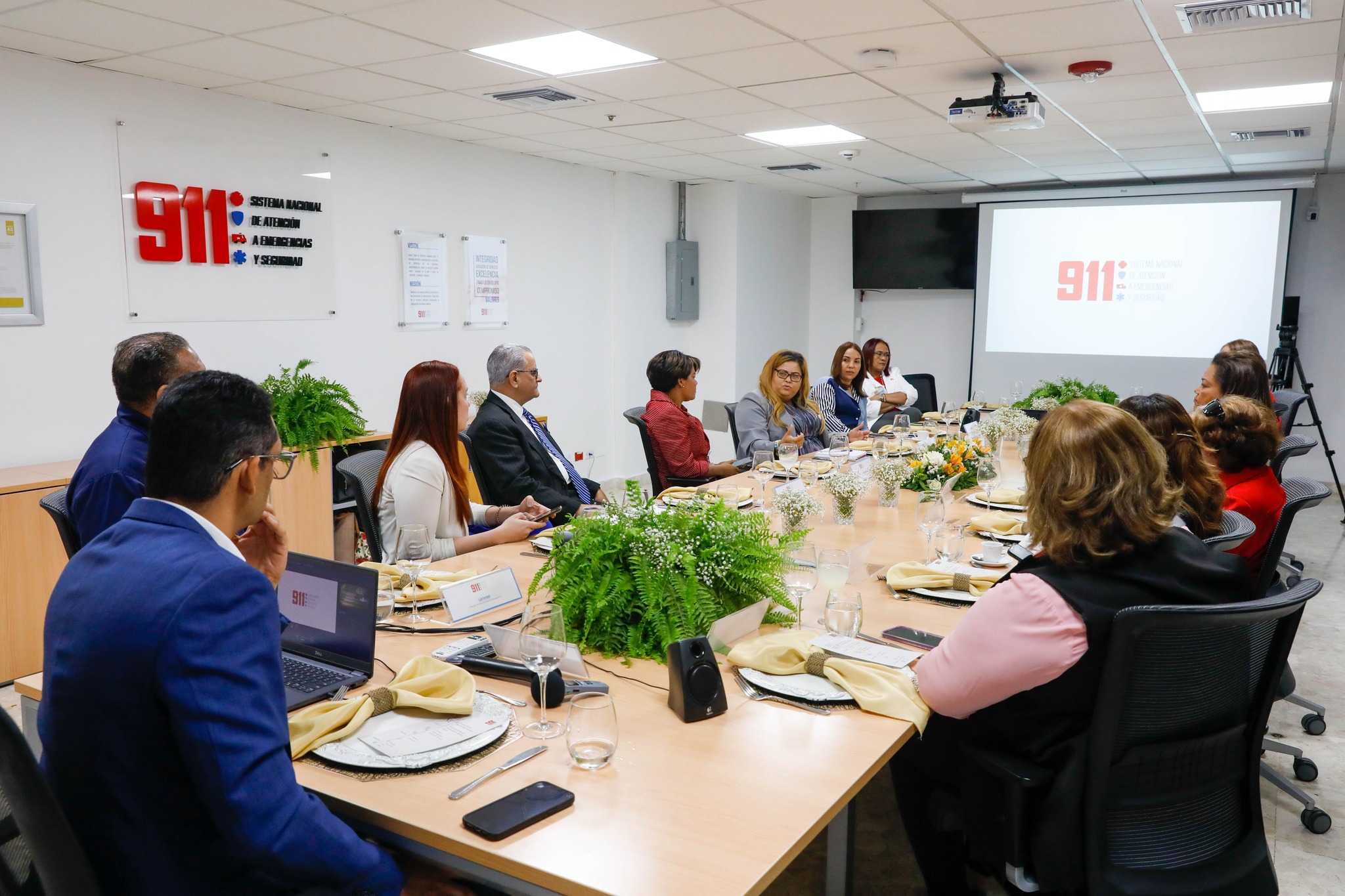
The Puerto Plata 911 line is the national emergency and security system in Dominican Republic, the hub that connects all first responder services. Their goal is to provide citizens, residents, visitors and everyone who is in the Dominican territory, the attention they require in terms of security and public service integrated into it. Among the services:
- Ambulance
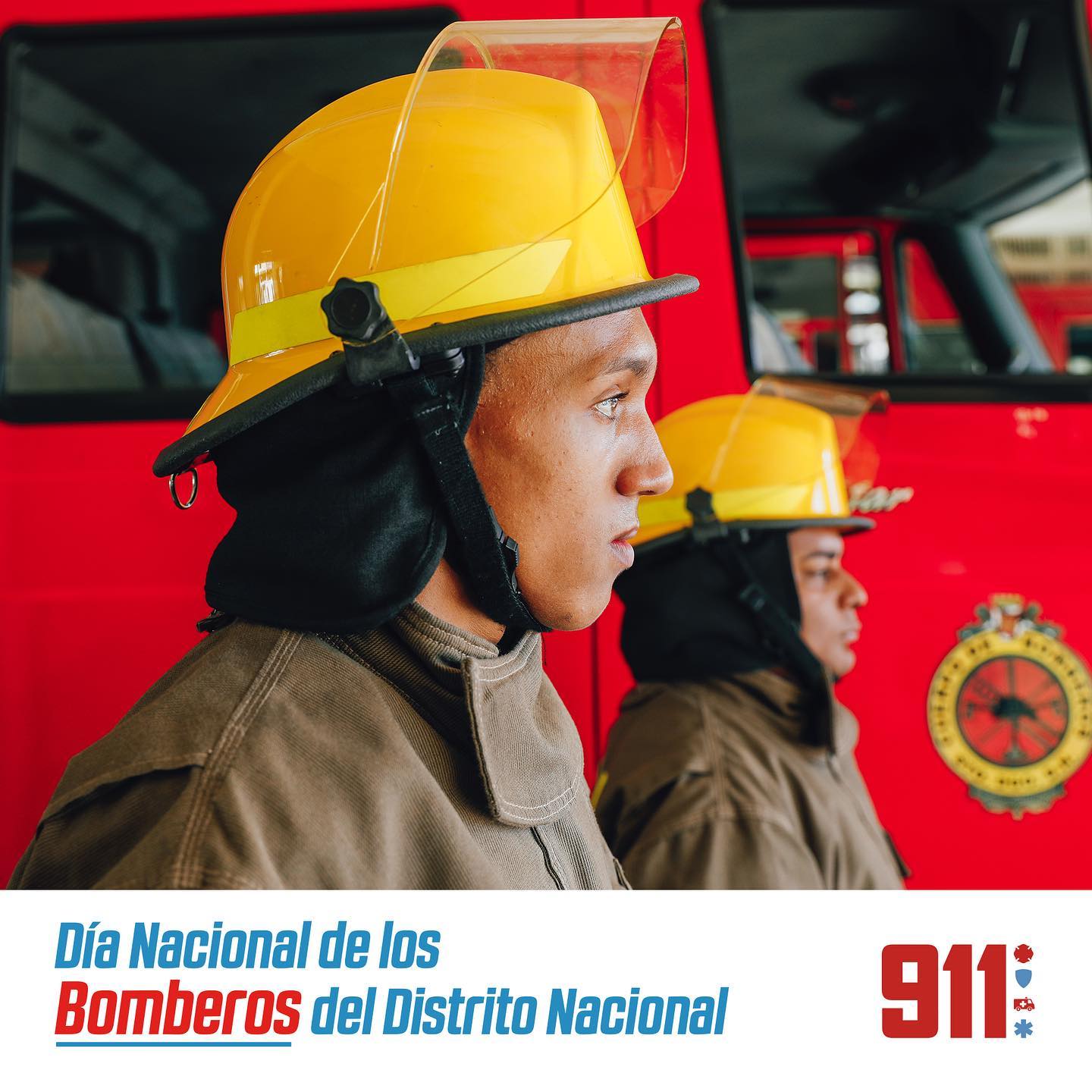
- Fire Department
- National Police
- Tourist Police
With the Puerto Plata 911 integrated system, a coordinated, consolidated and effective response is provided to emergency calls made by nationals and foreigners in the Dominican Republic. The teams, both technical and human, are equipped and trained to offer an efficient and timely service.

WHAT IS AND WHAT IS NOT AN EMERGENCY?
An emergency is any urgent or catastrophic situation that compromises the life, freedom, safety or integrity of people or their property, which objectively requires immediate assistance. An urgency is an unforeseen event that must be attended to quickly, but that does not necessarily endanger the integrity of the person or their property.
The Dominican 911 website has very useful information about the services, goals and work being done by the people who make this possible, visit them anytime to learn more.
Senator
The Senator of Puerto Plata
Puerto Plata, one of the Dominican Republic’s most vibrant provinces, is widely known for its stunning beaches, historic sites, and lush greenery. But its political dynamics, especially the role of its senator, play a pivotal part in the province’s development and its contribution to the national framework. Understanding the role and influence of the senator of Puerto Plata is key to understanding the province’s potential and the broader political landscape of the Dominican Republic.
Historical Background
Puerto Plata, often called the “Bride of the Atlantic,” has a rich history that has shaped its political and socio-economic fabric. Over the centuries, it has evolved from being a hub for Spanish explorers to a cornerstone of tourism and trade in the Caribbean. This history, combined with its diverse population, has given rise to distinct political needs and aspirations.
Role of the Senator in Puerto Plata
1. Legislation and Policy-making
The senator of Puerto Plata, like other senators in the Dominican Republic, plays a crucial role in national legislation. As a member of the Senate, they participate in discussions, amendments, and the creation of laws that influence both the province they represent and the nation at large.
2. Representation at the National Level
The senator serves as a bridge between the local aspirations of Puerto Plata and the national legislature. They voice the concerns, needs, and hopes of the province to ensure they are considered in national policies and initiatives.
3. Local Development and Advocacy
The senator is instrumental in promoting local development projects, such as infrastructure, health care, and education. Their influence can attract national funding and attention to projects that benefit the residents of Puerto Plata.
4. Civic Engagement
The senator is often a key figure in civic events, public forums, and community gatherings in Puerto Plata. Their presence and participation can drive civic engagement and stimulate public interest in political processes.
5. Crisis Management
In times of crisis, whether it be natural disasters, economic downturns, or social unrest, the senator of Puerto Plata is expected to lead and provide solutions, often collaborating with national agencies and other officials.
The Broader Implications for the Country
The Dominican Republic, as a whole, benefits from the active participation and leadership of its senators, including that of Puerto Plata. The insights and contributions of these regional leaders help in crafting holistic policies that cater to diverse populations and regions. Moreover, a proactive senator can enhance tourism, business, and cultural exchange, which can boost the national economy and foster international relations.
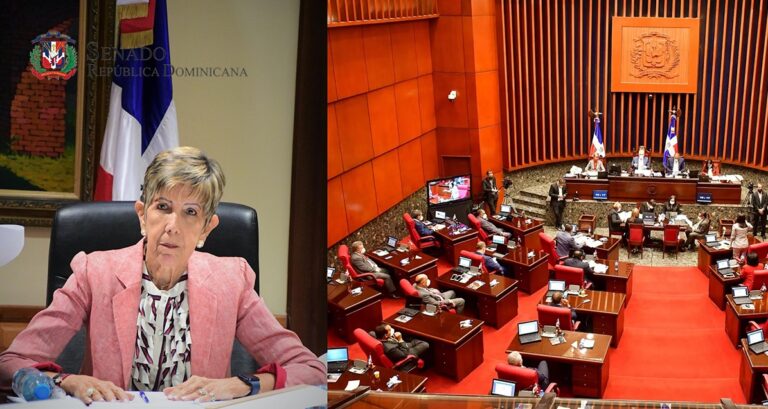
The current 2020-2024 term senator for Puerto Plata is Mrs. Ginette Bournigal.
Senado de Puerto Plata
Address: C/ Separación esq. Prof. Juan Bosch No.16, Puerto Plata.
Tel. +1809-261-6745
Digesett
Dominican Transit Police
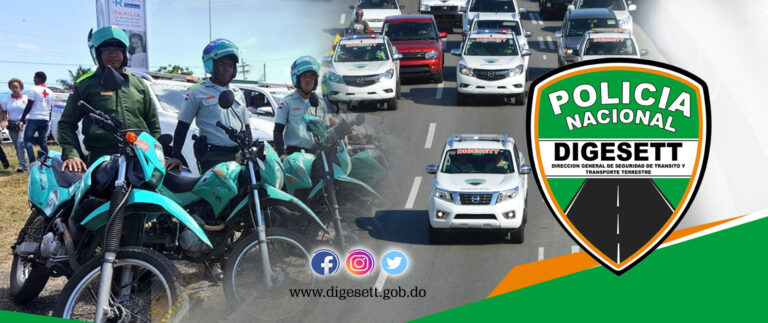
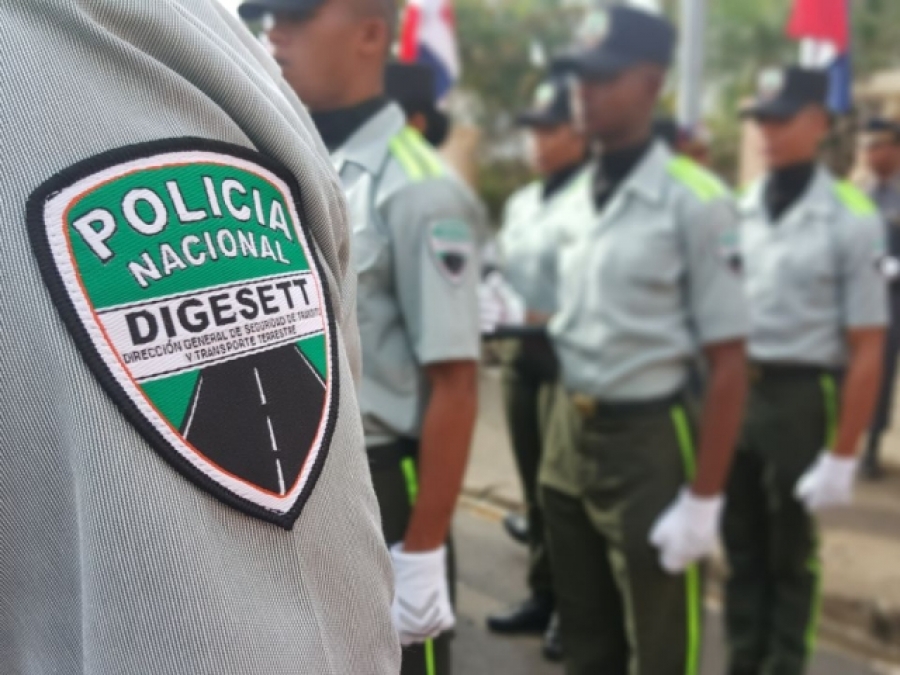
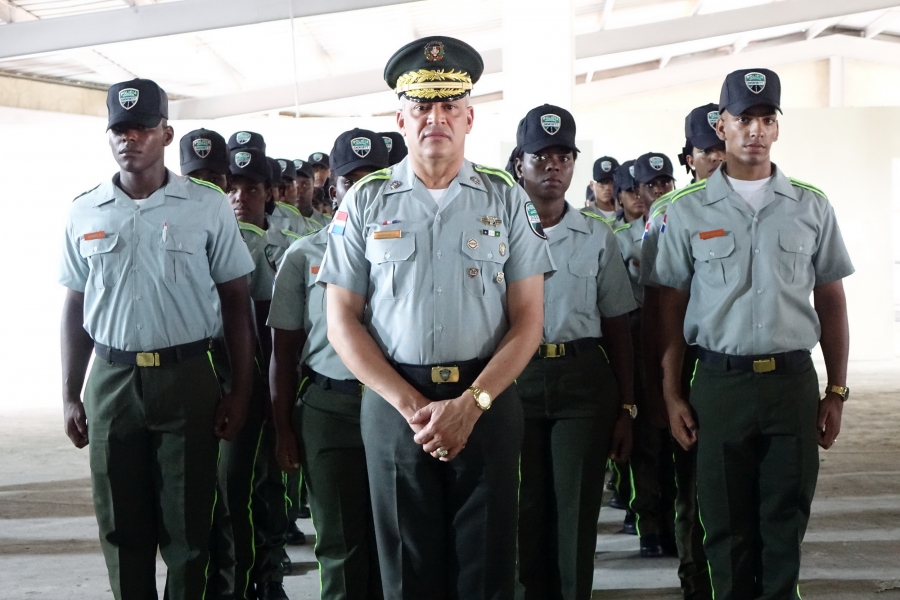
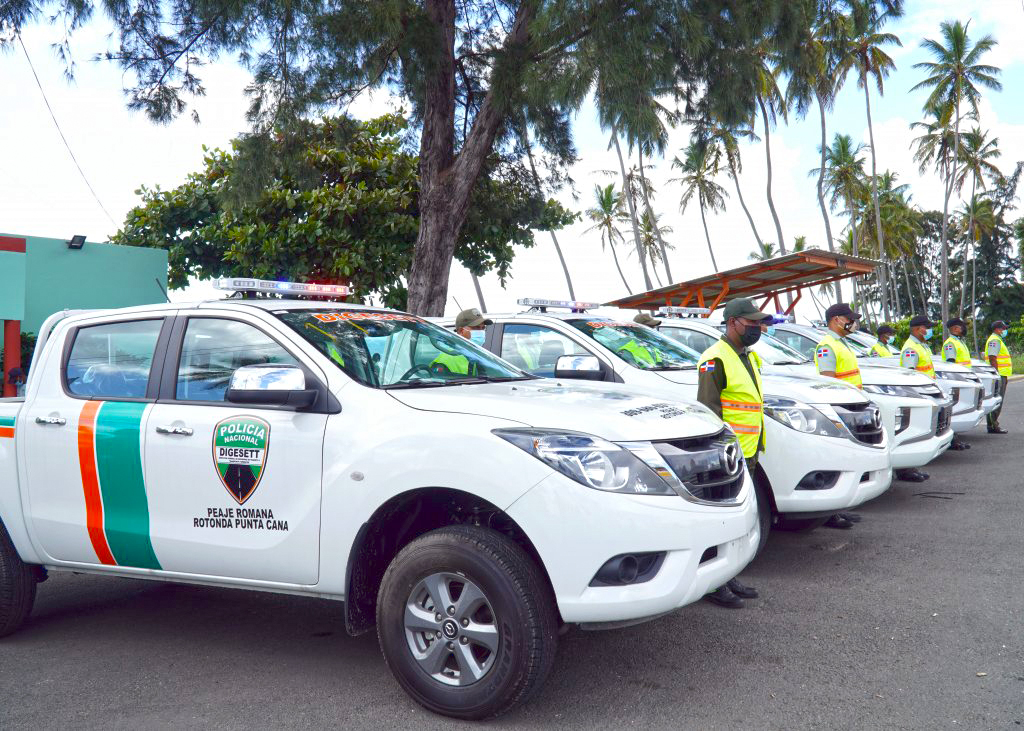
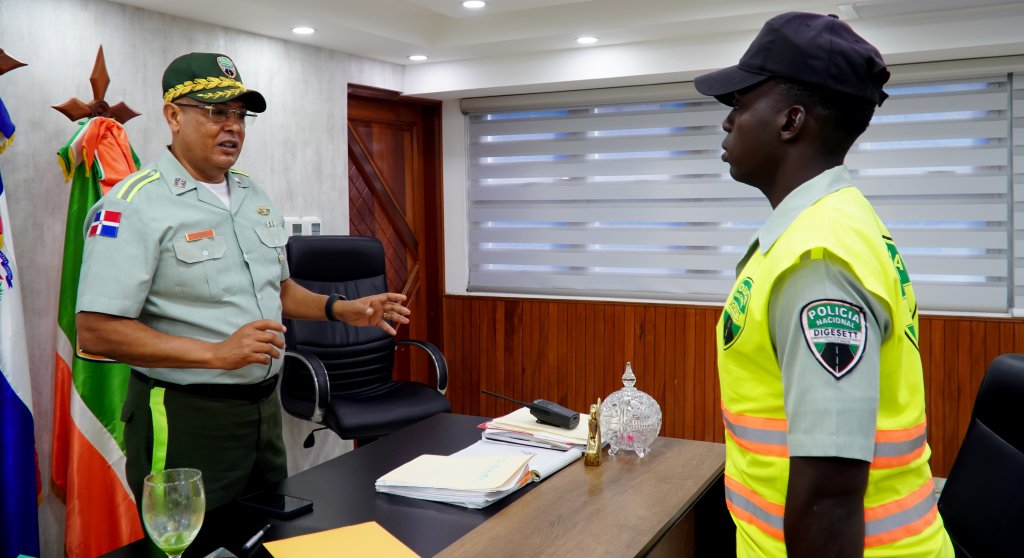
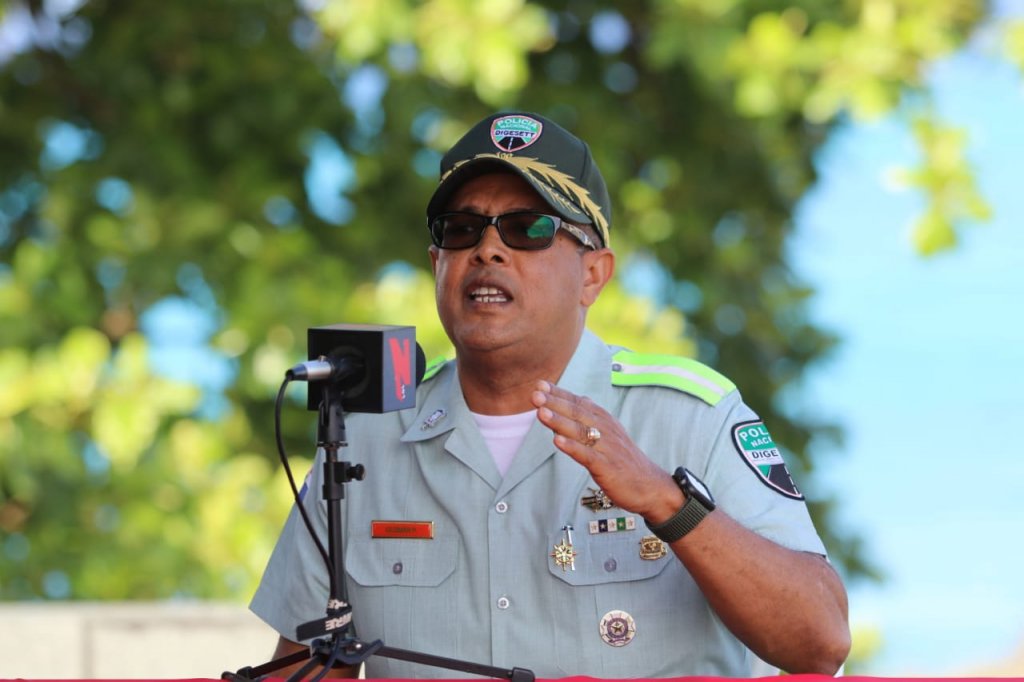
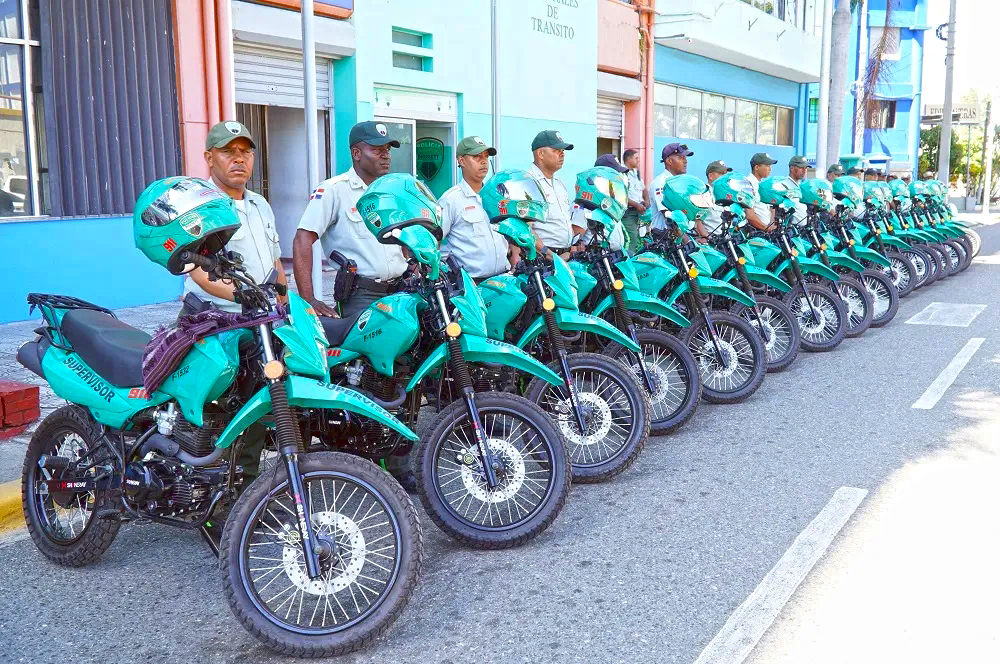
Dominican transit police is known as Digesett ( Dirección General de Seguridad de Tránsito y Transporte Terrestre). They are spread throughout the island, literally everywhere. They were known before as AMET agents, the previous acronym term for their institution.
We included them in the emergency and security pages of the Access Passport because they are the most useful resource if you find yourself in an accident or a situation where a traffic agent can come in handy.
The Digesett agent is also the one that will issue a fine if you break the law, so always use your seat belt as soon as you start the car, never run a red light, and always follow standard driving procedures so everyone is safe and you do not get fined.
Digesett Online:
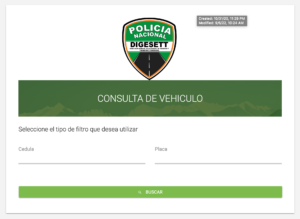
You can verify your fines status online, using your ID, also vehicles status and information on vehicle recovery, including motorcycles.
Verify Infractions Fines Online
In the Dominican Republic, the law that regulates transit is #241, and it follows standard international requirements with local variations. The speed limits are set based on location, type of vehicle and road condition, as explained below.
Transit Fines
- Do not cross through the bridges for pedestrians Law 241 art. 101- literal A RD$1,000.00
- Driving a vehicle with excess passengers Law 241 art. 104 RD$1,000.00
- Transporting more than two passengers in the front seat Law 241 art. 105-Literal A RD$1,000.00
- Not having the Revista label of authorized stickers Law 241 art. 110-Literal D RD$1,000.00
- Transport packages that prevent easy rear vision to the driver Law 241 art. 120-Literal A RD$1,000.00
- Tinted Windows Law 241 art. 120- literal A and 156 RD$1,000.00
- Not stopping when a school vehicle is loading or unloading a passenger Law 241 art. 122 RD$1,000.00
- Throw waste on public roads Law 241 art. 130-Literal A RD$1,000.00
- Stand on the road to offer sales of products of any kind, Law 241 art. 130-Literal H RD$1,000.00
- Circulate in opposition to the orders and signals of the transit agent Law 241 art. 133-Literal B RD$1,000.00
- Transit without Helmet, Law 241 art. 135-Literal C RD$1,000.00
- Transit without license plate labels or expired one, Law 241 art. 13-Literal A RD$1,000.00
- Transit with lights off, Law 241 art. 143 RD$1,000.00
- Travel with high beams on lighted streets, Law 241 art. 144-Literal C RD$1,000.00
- Not having a red light ( stop lights) on the back, Law 241 art. 145 RD$1,000.00
- Not having directional lights, Law 241 art. 146-Literal A RD$1,000.00
- Travel in a vehicle with steering wheel on the right, Law 114-99 art. 5 RD$1,000.00
- Not having a windshield Law 241 art. 157 RD$1,000.00
- No rear view mirror Law 241 art. 158 RD$1,000.00
- Producing unnecessary noise Law 241 art. 162 RD$1,000.00
- Not having an exhaust pipe silencer Law 241 art. 162-Literal A RD$1,000.00
- No red flags, tarps and other security measures (cargo related) Law 241 art. 164 RD$1,000.00
- Transit without emergency kit Law 241 art. 164 RD$1,000.00
- Transport cargo that protrudes more than authorized in the front Law 241 art. 171-Number 2 RD$1,000.00
- Transporting passengers in cargo vehicles Law 241 art. 174 RD$1,000.00
- Prohibitions on license plates and license plates Law 241 art. 27 RD$1,000.00
- Travel without license plate Law 241 art. 27-Number 4 RD$1,000.00
- Addition in plates Law 241 art. 27-Number 9 RD$1,000.00
- Driving without carrying a license Law 241 art. 29 RD$1,000.00
- Driving with an expired license Law 241 art. 40 RD$1,000.00
- Driving with a lower category license with a learning permit or photocopy Law 241 art. 47 RD$1,000.00
- Immediate notification to the police Law 241 art. 54 RD$1,000.00
- False information Law 241 art. 57 RD$1,000.00
- Reverse obstructing traffic Law 241 art. 72 RD$1,000.00
- Not giving right of way to emergency vehicles Law 241 art. 74-Literal H RD$1,000.00
- Prohibited turn / U-turn Law 241 art. 76-Literal C RD$1,000.00
- Parking on the sidewalk and prohibited places Law 241 art. 81 RD$1,000.00
- Obstruct the pedestrian crossing Law 241 art. 81-Number 4 RD$1,000.00
- Take or dismount passenger in prohibited areas Law 241 art. 83 RD$1,000.00
- Parking at bus stops Law 241 art. 83-Number 5 RD$1,000.00
- Obstruct traffic Law 241 art. 88 RD$1,000.00
- Violate traffic signs Law 241 art. 97 RD$1,000.00
- Violate the STOP sign Law 241 art. 97-Literal A RD$1,000.00
- Travel in the opposite way Law 241 art. 97-Literal D RD$1,000.00
- Park next to the curb painted yellow Law 241 art. 98 RD$1,000.00
- No Refractive strip Law 241 art.149 RD$1,000.00
- Not having insurance or having it expired Law 146 art. 02 RD$1,000.00
- Traveling through prohibited places Law 214 art. 01 1,000.00
- Transit without license plate Law 513-69 RD$1,000.00
- Traveling with children in front seats Law 241 art. 106 RD$1,667.00
- Traveling without a belt (buckled up) Law 241 art. 6, Law 114-99 RD$1,667.00
- Driving at excessive speed Law 241 art. 61 RD$1,667.00
- Reckless Driving Law 241 art. 65 RD$1,667.00
- Driving while intoxicated Law 241 art. 93, art.131 RD$1,667.00
- Violating the Red Light Law 241 art. 96 literal b RD$1,667.00
- Talking on the cell phone while driving Law 143, art. 1 RD$1,667.00
Vehicle Recovery Information
Vehicle Recovery Process
VEHICLE RECOVERY REQUIREMENTS
- Fine payment (receipt from BANRESERVAS BANK, 3 copies)
- Registration (3 copies)
- Driver's License (3 copies)
- Goverment ID (3 copies)
- Insurance (3 copies)
IN CASE THE REGISTRATION IS NOT IN THE NAME OF THE PERSON RECOVERING:
- Fine Payment (BANRESERVAS Receipt 3 copies)
- Registration (3 copies)
- Legalized Act of Sale (3 copies)
- Driver's License (3 copies)
- Goverment ID (3 copies)
- Insurance (3 copies)
IF THE REGISTRATION IS IN THE NAME OF A COMPANY
- Fine Payment (BANRESERVAS BANK Receipt, 3 copies
- Registration (3 copies)
- Letter from the Company authorizing delivery to person X, must be stamped, signed and sealed.
- Driver's License (3 copies)
- Government ID (3 copies)
- Insurance (3 copies)
IF YOU HAVE AN EXHIBITION PLATE
- Fine Payment (BANRESERVAS BANK Receipt, 3 copies)
- Original Exhibition Plate waxed and sealed
- Driver's License (3 copies)
- Government ID (3 copies)
- Insurance (3 copies)
IN CASE THE REGISTRATION IS NOT IN THE NAME OF THE PERSON
- Fine Payment (BANRESERVAS BANK Receipt, 3 copies)
- Original Registration
- Vehicle recovery background certificate (From the Stolen Vehicles Department, Plan Piloto)
- Driver's License (3 copies)
- ID of the Person in whose name the registration is (3 copies)
- Insurance (3 copies)
- Approval of Superiors
NOTE: ALL VEHICLES MUST BE IN PERFECT CONDITION, AS WELL AS, IN ITS PROPER PLACE ITS LICENSE PLATE OR DISPLAY PLATE, TIRES, FRONT AND REAR LIGHTS.
REQUIREMENTS TO REMOVE MOTORCYCLES, IF YOU ARE THE OWNER
- Fine payment (receipt from BANRESERVAS BANK, 3 copies)
- Registration (3 copies)
- Driver's License (3 copies)
- Government ID (3 copies)
- Insurance (3 copies)
IF YOU ARE NOT THE OWNER
- Fine Payment (BANRESERVAS BANK Receipt, 3 copies)
- Registration in the name of the Owner (3 copies)
- Power of Attorney or Act of Sale Legalized and Notarized (3 copies)
- Driver's License (3 copies)
- Government ID (3 copies)
- Insurance (3 copies)
IN CASE OF AN ACCIDENT
- Police Report
- Delivery Authorization from the Traffic Prosecutor's Office
- Registration (3 copies)
- Driver's License (3 copies)
- Government ID (3 copies)
- Insurance (3 copies)
NOTE: ALL MOTORCYCLES MUST BE IN PERFECT CONDITION, AS WELL AS, IN ITS PROPER PLACE ITS LICENSE PLATE OR DISPLAY PLATE, TIRES, FRONT AND REAR LIGHTS.
Dominican Republic Speed Limits
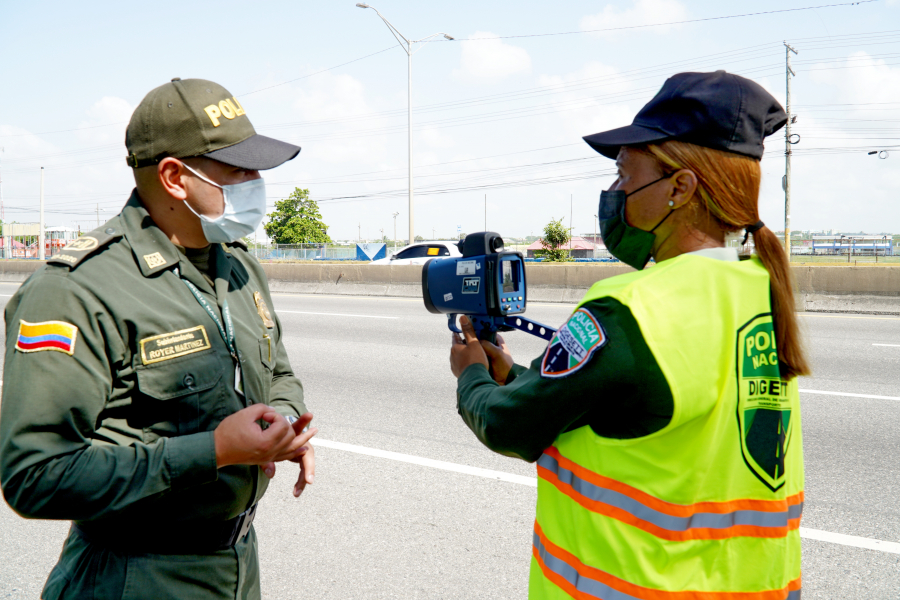
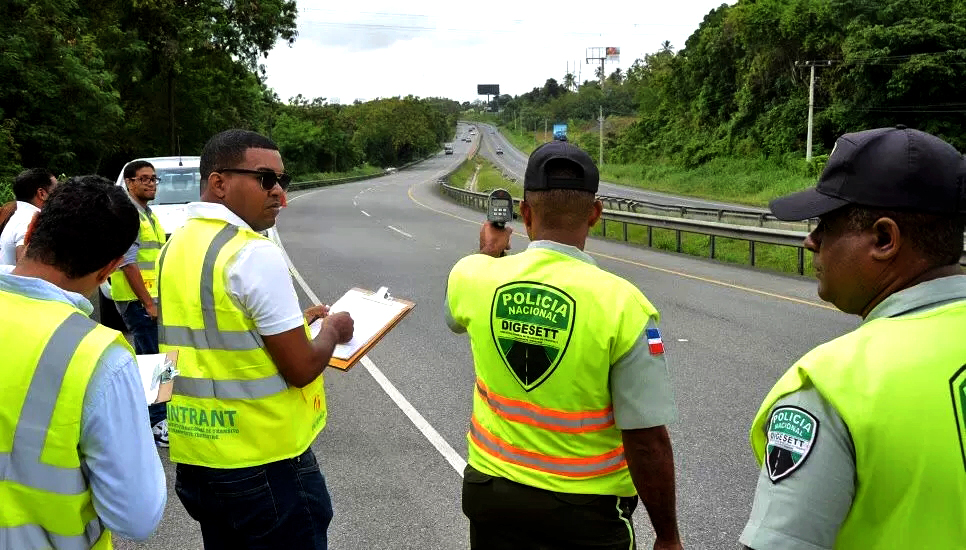
The DR security plan of President Luis Abinader contemplates the reduction of traffic accidents in the most critical points, for which it will equip agents of the Dominican Transit Police (Digesett) with devices to control speeds.
Law 63-17 on Mobility, Land Transport, Traffic and Road Safety in the Dominican Republic is the one that establishes speed limits. In the residential urban area, it indicates that it is from 30 to 60 km/h on the avenues.
In the rural area it is 60 kilometers per hour, in the school zone, corresponding to schools, colleges, universities and other educational centers, 20 km/h. Also included in this limit are the areas destined for churches and cemeteries.
While, in tunnels, overpasses and underpasses, it must not exceed 60 kilometers per hour; on roads, highways and highways it will be established by the Ministry of Public Works and Communications without exceeding 120 km/h.
At toll stations, in the direction of payment it will be 10 kilometers per hour and in the direction of non-payment it will be 40 km/h. The legislation prohibits drivers of vehicles for school use to travel at more than 50 kilometers per hour.
Law 63-17 establishes that the speed of a motor vehicle must be regulated taking into account the width, traffic, use and conditions of the public highway.
Dominican Transit Police Photo Gallery
Exceptions
However, there is an exception as to who can exceed the maximum speed limits. These are motor vehicles intended for emergency services, but with consideration for the safety of people and public and private property, and provided that they give warning with alarm devices.
Slow speed
In addition to the maximum limits, it is prohibited to drive, without justification, at a speed so slow that it impedes or obstructs the normal and reasonable movement of traffic. Specially when emergency vehicles need to drive faster, the Dominican Transit Police will make sure you give them right of way, or you will be fined.
DIGESETT MAIN HEADQUARTERS
DIGESETT PUERTO PLATA: (809) 261-2109
DIGESETT SOSUA:
DIGESETT CABARETE:
DIGESETT COFRESI:
DIGESETT COSTAMBAR:
Governor

The Governor of Puerto Plata
Puerto Plata, a shimmering province located in the northern coast of the Dominican Republic, is best known for its stunning beaches, rich history, and vibrant culture. Beyond the physical attributes that draw countless visitors every year, the governance and administration of the province play a crucial role in its ongoing growth and stability.
The Governor of Puerto Plata, a central figure in these efforts, serves not just as an administrator but as a beacon of unity, direction, and purpose for the community. The current governor is Claritza Rochtte De Senior, appointed by President Luis Abinader at the beginning of his term.

Role and Responsibilities:
The role of a governor in the Dominican Republic is akin to that of a regional administrator. Appointed by the President of the country, their primary function is to serve as the executive head of the province, representing the central government at a local level. Their responsibilities encompass:
1. **Administrative Leadership: Ensuring that national policies and laws are properly implemented and upheld in their region.
2. **Community Engagement: Actively participating in community events, discussions, and understanding the local issues to voice them at a national level.
3. **Crisis Management: Overseeing disaster response and management, especially given Puerto Plata’s susceptibility to tropical weather phenomena.
The Governor as a Community Figure
The Governor of Puerto Plata is not merely an appointed figure. She becomes a representative of the community’s aspirations, hopes, and concerns. It is essential for the governor to maintain a close relationship with the local populace to effectively govern.
The historical backdrop of Puerto Plata, from the time of the Taínos to its crucial role during the era of Spanish colonization, has shaped its unique identity. The governor, by virtue of her position, carries this history with her and is tasked with merging the past’s lessons with the hopes for a brighter future.
Challenges and Opportunities:
Puerto Plata, like many provinces, faces a myriad of challenges. From managing the environmental impact of tourism to ensuring sustainable economic growth and addressing infrastructural needs, the governor’s role is pivotal.
However, with challenges come opportunities. Puerto Plata’s increasing prominence as a tourism hub offers a chance for economic revitalization. The governor can harness this potential by working with local businesses, stakeholders, and the national government to create policies that promote sustainable tourism. Such an approach not only ensures that the natural beauty and history of Puerto Plata are preserved but also that the local community benefits economically and socially.
Contact
Gobernacion Provincial de Puerto Plata
# 32 Av. Luis Ginebra, Puerto Plata, Dominican Republic,
Tel. +1809-586-4458
Legal Services

Finding a lawyer in Puerto Plata is as easy as searching the Google database, though you might have to sort through a lot of pages. The index we publish here organizes the available attorneys available in the North Coast region cities inside the Puerto Plata province.
Cesac
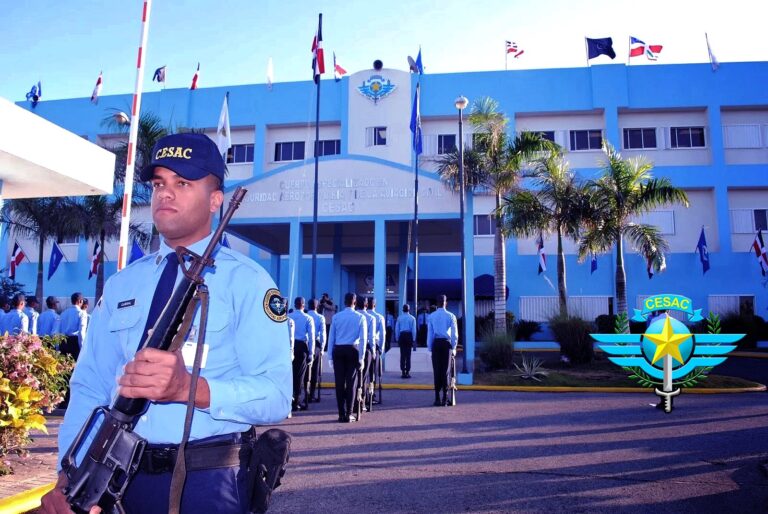
Cuerpo Especializado en Seguridad Aeroportuaria
CESAC: Ensuring Airport Security in the Dominican Republic
Airport security is a global concern, with countries all over the world focusing on ensuring the safety of passengers, crew, and infrastructure. The Dominican Republic, as a major tourist destination, places immense importance on its airport security. At the helm of these efforts is CESAC, the specialized body responsible for safeguarding the nation’s airports.
What is CESAC?
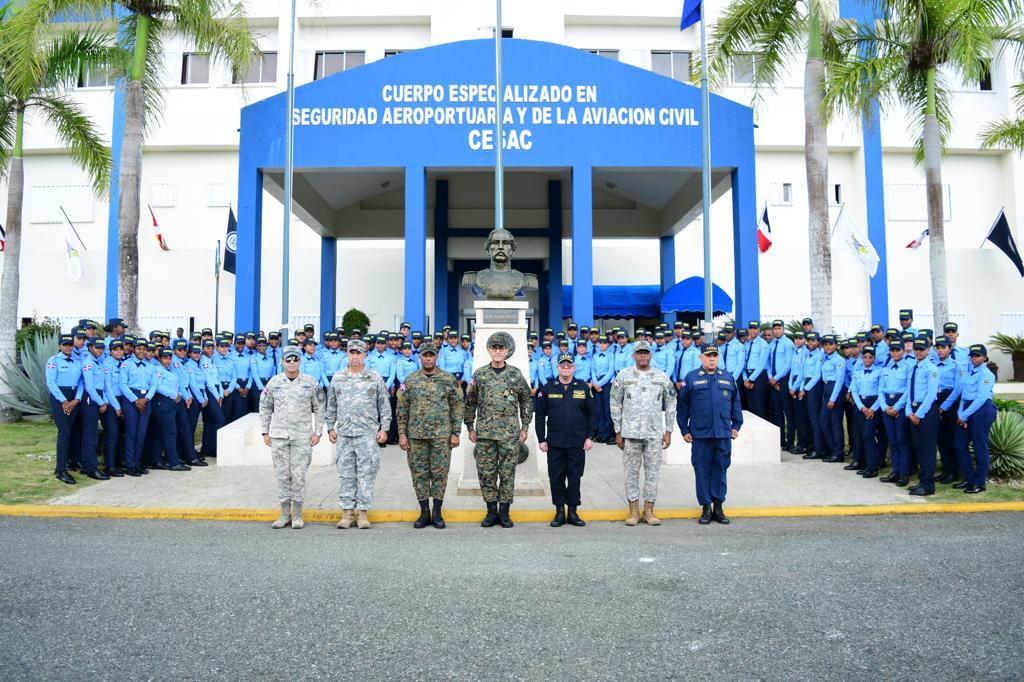
CESAC, or “Cuerpo Especializado en Seguridad Aeroportuaria y de la Aviación Civil,” translates to the Specialized Body for Airport and Civil Aviation Security. It was established to ensure the safety and security of civil aviation and airport facilities in the Dominican Republic. Its creation recognized the importance of stringent and dedicated security protocols in light of global security concerns, particularly post-9/11.
The Specialized Body in Airport Security and Civil Aviation (CESAC) is a dependency of the Armed Forces, an organization created by Decree 28-97, in 1997, with the purpose of being in charge of the tasks and responsibilities of airport security in the Dominican Republic.
Responsibilities and Functions
CESAC’s primary roles include:
1. Security Checks: Implementing thorough security checks for passengers, crews, and staff, from the point of entry until they board the aircraft.
2. Infrastructure Protection: Safeguarding airport facilities, runways, equipment, and aircraft from potential threats.
3. Monitoring & Surveillance: Using advanced technology, such as CCTV cameras, to keep a watchful eye on all airport activities.
4. Training & Development: Continuously updating and training personnel on the latest security measures, protocols, and potential threats.
5. Collaboration: Working closely with other national and international agencies to share intelligence, best practices, and resources for enhanced security.
6. Emergency Response: Being prepared to handle emergencies, ranging from security breaches to potential terror threats.
Challenges and Evolution
Like all security agencies worldwide, CESAC faces its share of challenges. As technology evolves, so do the methods employed by those with malicious intent. Keeping up with these advances, understanding them, and implementing measures to counteract them is crucial.
To stay ahead of the curve, CESAC invests heavily in training and technology. The institution regularly collaborates with international bodies to understand global best practices and to ensure that the Dominican Republic’s airports meet international security standards.
Impact on Tourism
Tourism is one of the main drivers of the Dominican economy. The presence of a dedicated body like CESAC assures tourists that their safety is a priority. As a result, tourists can travel with peace of mind, leading to an increase in tourist inflows and ensuring the sustainable growth of the tourism sector.
Airport security is more than just checking baggage or patrolling perimeters; it is about safeguarding a nation’s image, economy, and the thousands who travel every day. CESAC’s commitment to ensuring a safe and secure environment within the Dominican Republic’s airports is a testament to the country’s dedication to global security standards. As threats evolve, so will CESAC, standing as a beacon of assurance for all who pass through the nation’s gates.
Their Mission & Vision